
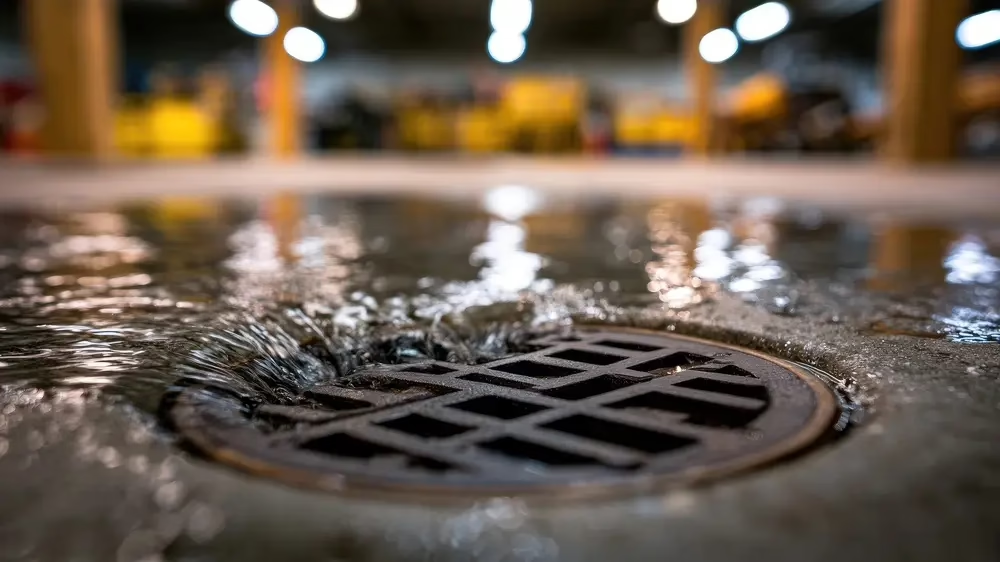
TL;DR: A basement floor drain backing up after heavy rain often means the sewer or drainage system cannot handle the sudden increase in water. This guide explains the likely causes, how to respond safely, and which repairs may help protect your basement.
- Heavy rain can overload combined or sanitary sewers and force wastewater toward low-level drains.
- Roots, debris, cracks, or collapsed sections can restrict your private sewer line.
- An overwhelmed sump pump or missing backwater valve can leave the basement more vulnerable.
- Limit water use, avoid contact with possible sewage, and schedule an inspection to identify the right repair.
Few things create panic faster than walking downstairs after a storm and finding water around the basement floor drain. The drain is supposed to carry water away, so why is it suddenly sending water or sewage back into your home?
When a basement floor drain backs up after heavy rain, the storm is putting pressure on a drainage or sewer system that already has limited capacity. The problem could be outside your home, inside your private sewer line, or with equipment meant to keep your basement dry.
The water may recede when the rain stops, but that does not mean the underlying problem has disappeared. A drain inspection can help identify why the backup happened and what can be done before the next storm.
If your basement drain is backing up now, schedule a drain inspection or call Bishop Plumbing, Heating and Cooling at (847) 232-0560.
Common Causes of Basement Floor Drain Backups After Rain
Several problems can produce similar symptoms in your plumbing system. A professional inspection is the best way to determine which one is affecting your home.
1. The Municipal Sewer System Is Overloaded
Many Chicago-area communities have combined sewer systems, where rainwater runoff and household wastewater travel through the same pipes.
When neighborhood sewers fill faster than they can drain, wastewater may be pushed back toward nearby homes. Since the basement floor drain is usually one of the lowest connected openings, it may be the first place a backup appears.
Separate sanitary sewers can also lose capacity when rain or groundwater enters through cracked pipes, deteriorated manholes, missing cleanout caps, or improper connections. This extra water can cause of basement backups and sewer overflows.
2. Your Sewer Line Is Clogged or Damaged
The problem may be in the private sewer lateral that carries wastewater from your home to the municipal sewer.
Common sewer-line problems include:
- Tree-root intrusion
- Grease, waste, or debris buildup
- Cracked or deteriorated pipe
- Misaligned pipe connections
- A sagging section that holds water and debris
If sinks, tubs, or toilets have also been slowly draining, gurgling, or producing foul odors, this could be a sign of sewer line issues that need to be addressed.
Bishop’s professional drain-cleaning services can remove many obstructions, while damaged pipes may require professional sewer repair.
3. The Sump Pump Cannot Keep Up
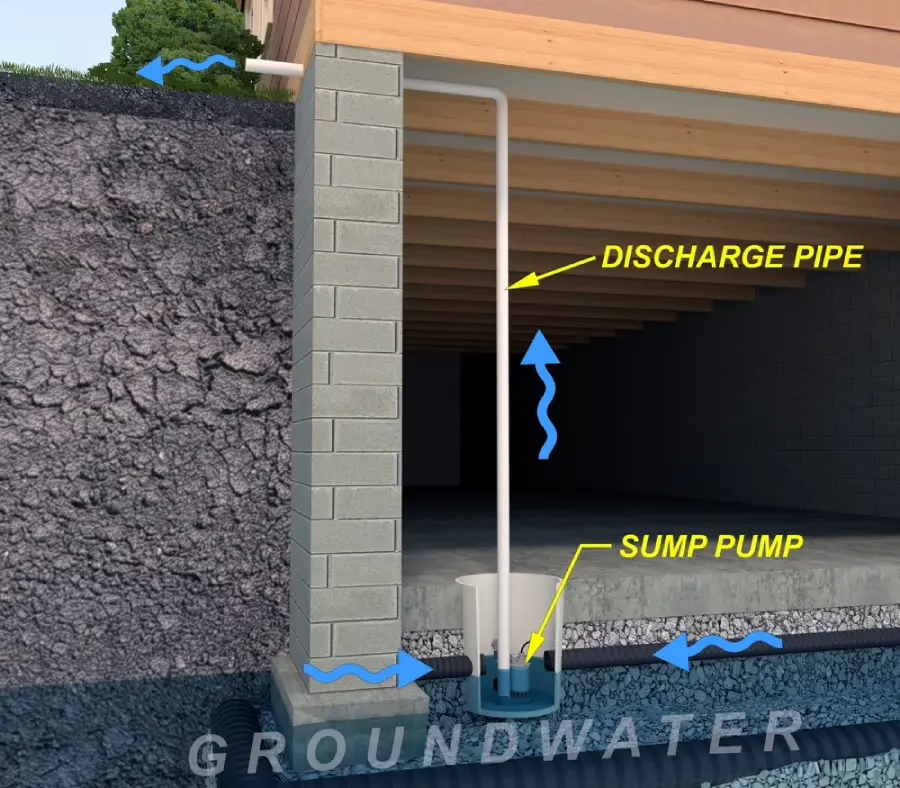
A sump pump collects groundwater around the foundation and moves it away from the basement. During prolonged or intense rain, water may enter the sump pit faster than the pump can remove it.
The pump may also fail because of:
- A power outage
- A jammed float switch
- A clogged intake or discharge line
- A failed motor
- An undersized pump
- A missing or failed backup system
A sump pump does not normally remove sewage from a floor drain. However, an overwhelmed pump can allow groundwater to collect around the drain. A plumber can determine where the water originated.
Bishop provides sump-pump inspection, repair, and replacement throughout Mount Prospect and the Northwest Chicago suburbs.
4. The Home Does Not Have a Working Backwater Valve
A backwater valve helps prevent municipal sewage from flowing backward into a home. Wastewater normally moves out through the valve, but the valve closes when flow reverses.
A home without this protection may be more vulnerable during a municipal sewer backup. An existing valve may also fail if it is obstructed, damaged, or poorly maintained.
Backwater valves must be selected and installed correctly. When the valve closes, household wastewater cannot leave through that line until municipal sewer pressure falls, so water use may need to be limited. Learn more about Bishop’s backflow and backwater valve services.
What Should You Do If Your Basement Floor Drain Is Backing Up?
If water or sewage is actively entering the basement, put safety first.
- Keep people and pets away. Avoid direct contact with the water, especially if it may contain sewage.
- Do not enter standing water near electrical equipment. Leave the area and contact the appropriate emergency professional if there may be an electrical hazard.
- Reduce household water use. Do not run the dishwasher or washing machine, take a shower, or repeatedly flush toilets.
- Do not use chemical drain cleaner.
- Call a plumber. A professional can inspect the drain, sewer lateral, sump pump, and available backflow protection.
If sewage is present, document the damage from a safe location and arrange suitable cleanup. The Illinois Department of Public Health provides guidance for cleaning up after floods and sewer overflows.
How to Help Prevent Another Basement Drain Backup
The right solution depends on where the water came from and why the system failed. A plumber may recommend:
- Schedule a sewer camera inspection: A camera can reveal buildup, cracks, offsets, or collapsed sections in the sewer lateral. This helps determine whether cleaning or basement drain repair is the appropriate next step.
- Clean or repair the sewer line: Professional cleaning may restore flow when a blockage is restricting the pipe. Cracked, deteriorated, or collapsed sections may need repair or replacement.
- Install or service a backwater valve: A properly maintained valve can help stop municipal sewage from returning through connected drains. Existing valves should remain accessible for inspection and cleaning.
- Test the sump pump and backup system: Have the pump, float, pit, check valve, and discharge route tested. An undersized or unreliable unit may need replacement, while a battery backup can provide protection during an outage.
- Manage stormwater around the property: Depending on local rules, this may include disconnecting downspouts from the sanitary sewer, replacing missing cleanout caps, covering window wells, or correcting improper sump-pump connections. The MWRD’s Cook County Flood Response Resource Guide offers additional local guidance.
Stop the Next Storm from Becoming Another Basement Emergency
A basement floor drain backup is a warning that part of the system needs attention. Waiting for the water to recede does not address the issue that allowed it to happen.
Basement drain repair cost cannot be estimated from the visible water alone. The solution can range from clearing a blockage to repairing a sewer lateral or installing protective equipment. An inspection is the best place to start.
Bishop Plumbing, Heating and Cooling has served Mount Prospect and the Northwest Chicago suburbs since 1921. Our licensed plumbers can inspect the system and explain the right solution.
Schedule a drain inspection now or call (847) 232-0560 for prompt assistance.
Frequently Asked Questions About Basement Drain Backups
Why does my basement floor drain back up only when it rains?
Heavy rain can overwhelm municipal sewers, enter damaged pipes, or expose a partial blockage in your private sewer line. When water cannot move away quickly enough, it may reverse through the lowest connected drain.
How much does basement drain repair cost?
Basement drain repair cost depends on the source and severity of the problem. Clearing a localized blockage is different from repairing a damaged sewer lateral, replacing a sump pump, or installing a backwater valve. A drain and sewer inspection allows a plumber to identify the problem and provide an accurate estimate.
Will a backwater valve prevent every basement backup?
A backwater valve can help stop municipal sewage from reversing into the home. It cannot prevent groundwater from entering through foundation cracks or flooding caused by an overwhelmed sump pump, door, or window well.
Can a sump pump prevent floor drain backups?
A sump pump primarily removes groundwater from around the foundation. It does not normally prevent sewage from backing up through a connected floor drain. However, a working sump pump can protect the basement from groundwater flooding during heavy rain, and a plumber can determine which type of protection your home needs.
Who is responsible for a backed-up sewer line?
Responsibility depends on where the problem is located and local rules. Homeowners are generally responsible for the private sewer lateral serving their property, while the municipality manages neighborhood sewers. A drain inspection can help determine where the blockage or damage is located.